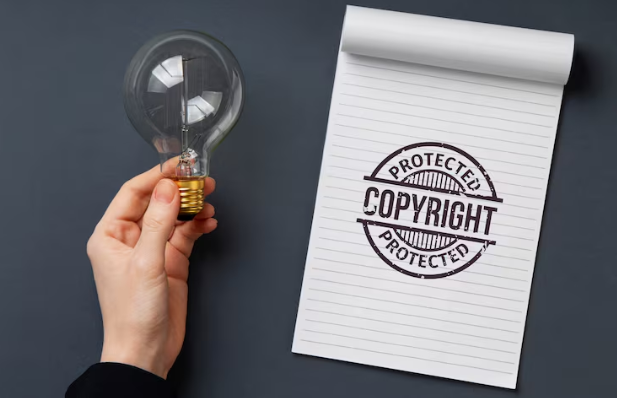
Copyright disputes in entertainment and pop culture often make headlines, offering valuable, real-world lessons for creators of all kinds. Looking closely at a few notable examples reveals recurring patterns worth understanding.
These cautionary tales highlight just how important it is to secure clear rights before building on someone else’s original work.
Case One: Disputes Over Original Source Material
Discussions around invincible copyright often illustrate broader lessons about how closely creative works can be scrutinized once they gain significant popularity.
Popular franchises built on adapted source material sometimes face disputes over how closely a new work resembles a prior one. These cases underscore the importance of securing clear licensing agreements before adapting existing intellectual property.
Is Invincible Copyrighted
Fans researching is invincible copyrighted often uncover the broader point that popular entertainment properties are protected the moment they are created and fixed in a tangible form, well before any formal registration takes place.
Case Two: Music Sampling Gone Wrong
Unlicensed use of existing music in a new work is one of the most common sources of copyright disputes in entertainment, often resulting in costly settlements or forced revisions after release.
Why Did Invincible Showdown Get Copyrighted Controversy Persist
Questions like why did invincible showdown get copyrighted controversy arise often stem from fans misunderstanding how automatic copyright protection works, assuming formal registration is required before any legal claim can exist.
Case Three: Visual Design Similarities
Disputes over character design, costume elements, or visual branding show how even seemingly minor creative choices can trigger infringement claims if they closely resemble existing protected work.
Lessons for Creators
Across all of these examples, the common thread is clear: securing proper licensing and understanding existing protections before building on someone else’s creative work prevents costly disputes down the road.
How Fan Communities Often Misunderstand These Disputes
Online discussions about entertainment copyright disputes frequently oversimplify the underlying legal issues, assuming a work is either fully protected or entirely free to use with no middle ground. In reality, questions of fair use, licensing, and derivative work rights involve considerable legal nuance that rarely fits neatly into a social media debate.
Why Studios and Publishers Take These Issues So Seriously
Major entertainment companies invest heavily in legal review specifically to avoid these kinds of disputes, since even a strong defense can be expensive and time-consuming to litigate. This is why licensing negotiations for adapted material often take considerably longer than fans might expect.
Applying These Lessons to Your Own Creative Work
Whether you are an independent creator or part of a larger studio, the underlying principle remains the same: understand what protections already exist before building on someone else’s work, and secure clear permission whenever your project draws closely from existing material.
Where to Turn When You’re Uncertain
When it is genuinely unclear whether a planned project might raise copyright concerns, consulting an attorney experienced in intellectual property law before release is far less costly than resolving a dispute after the fact. This kind of early legal review has become standard practice at every level of professional content creation.
How Fans and Audiences Can Better Understand These Disputes
Following reliable industry reporting, rather than social media speculation, gives audiences a much clearer picture of what actually happened in a given copyright dispute. This more informed perspective also helps fans appreciate just how much legal groundwork goes into producing the entertainment they enjoy.
The Ongoing Relevance of These Lessons
As new technology continues to make it easier to remix, adapt, and reference existing creative work, these cautionary tales remain just as relevant today as when they first made headlines. Creators at every level benefit from keeping these lessons in mind.
Revisiting these examples periodically is a useful exercise for any team producing content that draws even loosely on existing intellectual property, especially as new platforms and formats continue to emerge.
Conclusion
These cautionary tales from pop culture illustrate how easily copyright disputes can arise, even in high-profile, well-resourced productions. Understanding how automatic protection works, and securing proper licensing upfront, remains the best defense against these costly conflicts.
For creators at any level, these examples serve as a valuable reminder to respect existing intellectual property while building original work.
Learning from these real-world disputes helps protect both your creative reputation and your legal standing for the long run.
Keeping a close eye on how these situations unfold in the industry is a genuinely useful habit for anyone producing creative content today.