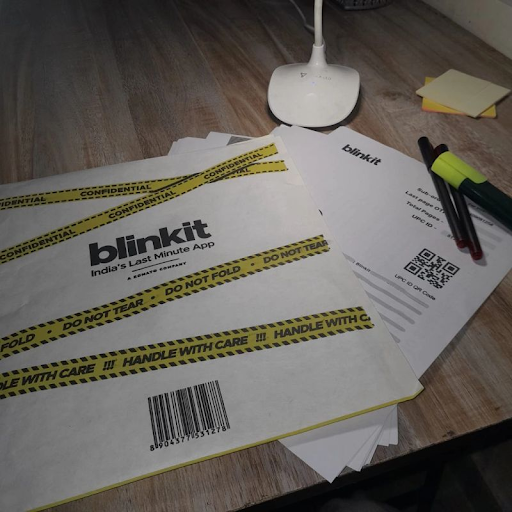
Quick commerce requires flawless automated tracking inside local dark stores. Platforms like Blinkit enforce strict barcode mandates to manage their fast-moving inventory efficiently. Sellers can list products using either European Article Numbers or standard Universal Product Codes.
An EAN contains thirteen digits and remains the primary choice across Indian retail spaces. A standard UPC code for Blinkit carries twelve digits and works perfectly on the platform. Every stock-keeping unit requires a distinct, unique identifier to complete the onboarding workflow successfully. Variant modifications like altered pack sizes or flavors necessitate completely separate numerical sequences.
The platform scans these identifiers at regional fulfillment centers during the physical inwarding process. Missing or invalid formats block electronic purchase order generations instantly, delaying your product launch. Brands must ensure their digital listing catalog numbers match their physical packaging artwork exactly.
The Danger of Buying Cheap EANs from Unauthorized Resellers
New brands often fall into the trap of purchasing cheap identifiers from unauthorized third-party resellers. These unverified platforms routinely sell recycled, random numbers or completely unlinked sequence batches. Sellers cannot securely buy EAN barcodes online from unverified sources without facing massive operational risks.
Fake sequences frequently cause duplicate errors when entered into active marketplace databases. If an identity number matches an existing product from another firm, Blinkit rejects your listing. Worse, duplicate numbers cause severe inventory mix-ups inside automated sorting hubs.
A delivery rider might pick a completely incorrect item due to cross-referenced database entries. Using unauthorized strings can lead to immediate listing suppression and permanent partner account suspension.
GS1 India: The Only Verified Source for Blinkit Compliance
To guarantee compliance, brands must obtain global standards identifiers through official regulatory channels. GS1 India operates as the sole authorized body for issuing valid retail prefixes domestically. Every genuine barcode issued by GS1 contains an exclusive global company prefix linked to your business.
Quick commerce databases pull information directly from the national registry repository known as DataKart. Blinkit utilizes this interconnected database to auto-verify the legal ownership of submitted product identifiers.
Registering through the official portal ensures your business name matches your GST certificate details perfectly. Authentic certification builds immediate trust with platform category managers during initial vendor onboarding stages.
How to Buy and Assign a Valid UPC/EAN for Quick Commerce
Securing retail-ready identifiers involves a structured, entirely paperless corporate registration process. Businesses must visit the official GS1 India portal to initiate their subscription profile. The online application requires submitting an active GSTIN, company PAN, and basic manufacturing documents.
Brands can choose code allotment blocks ranging from tens to thousands of units. After paying the registration fee, users gain instant access to their digital DataKart dashboard interface.
Sellers then generate specific numbers by inputting individual item descriptions, net weights, and dimensions. The platform provides complete high-resolution image files like PNG formats for immediate package design. These verified graphics are then integrated directly into your physical labeling layout.
Navigating Blinkit’s Exemption Process for New Brands
Some early-stage startups or local micro-enterprises might lack immediate budget resources for official registration. Blinkit offers a limited procedural workaround specifically for these young, emerging brands.
Sellers can request a temporary platform exemption by contacting partner help channels directly via email. The specialized support desk can grant unique internal platform exemption codes per account.
Applicants must provide clear product category proof alongside detailed, high-quality front and back packaging images. If approved, the system generates internal numbers to bypass the mandatory data check. However, these internal numbers only function within the Blinkit ecosystem and lack external retail validity.
Final Pre-Listing Checklist: Scannability and Data Accuracy
Getting codes assigned is only half the battle won for active quick commerce operations. Physical scannability on the final printed consumer packaging is critical for swift automated warehouse processing.
Labels must be printed with sharp, high-contrast black lines on a solid white background. Avoid placing stickers across packaging folds, seams, or highly curved surface areas that distort layout geometry.
The physical code must match the digital listing details, retail price, and exact weight. The operational inbound team manually verifies this correlation during initial dark store drop-off checks. Ensure your master carton shipping labels display matching vendor codes to avoid rapid delivery rejections.