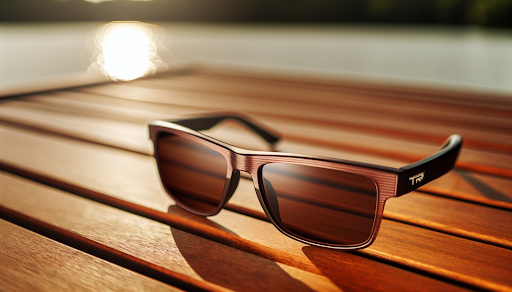
Polarized sunglasses have become a staple for anyone looking to protect their eyes from the sun’s harsh glare while enhancing visual clarity. As we move into 2026, advancements in eyewear technology continue to make these sunglasses more effective and accessible. Whether you’re an outdoor enthusiast or just someone who enjoys sunny days, understanding how to choose the right pair of polarized sunglasses can significantly improve your experience.
Understanding Polarization Technology
Polarization technology in sunglasses is designed to reduce glare from surfaces like water, roads, and glass. This is achieved through a special filter that blocks intense reflected light, making it easier to see clearly in bright conditions. When selecting polarized sunglasses, consider the level of polarization you need based on your typical activities. High-quality lenses will provide better glare reduction and visual comfort.
Choosing the Right Lens Color
Lens color is not just a fashion statement; it plays a crucial role in how you perceive your surroundings. Different colors can enhance contrast and visual clarity in various environments. For example:
- Gray lenses are ideal for maintaining true color perception and reducing overall brightness.
- Brown or amber lenses enhance contrast, making them great for driving and outdoor sports.
- Green lenses offer a good balance of contrast and color accuracy.
Consider your primary use for the sunglasses when selecting the lens color to ensure optimal performance.
Frame Style and Fit
The style and fit of your sunglasses are important for both comfort and effectiveness. Polarized sunglasses come in various frame styles, from sporty wraps to classic aviators. When choosing a frame, ensure it fits well on your face without causing discomfort. A snug fit will prevent sunlight from entering around the edges and provide better protection.
UV Protection Matters
While polarization reduces glare, it doesn’t necessarily block UV rays. Ensure that your sunglasses offer 100% UV protection to safeguard your eyes from harmful ultraviolet radiation. Look for labels that confirm UV400 protection, which blocks both UVA and UVB rays.
Durability and Material Quality
Investing in a durable pair of sunglasses is essential for long-term use. Look for frames made from high-quality materials like polycarbonate or TR90, which are lightweight and resistant to impact. Additionally, scratch-resistant coatings on lenses will help maintain clarity over time.
Considering Prescription Needs
If you wear prescription glasses, you can still enjoy the benefits of polarized lenses. Many eyewear brands offer prescription polarized sunglasses, allowing you to have both vision correction and glare reduction. Consult with an optician to explore your options and find the best solution for your needs.
Environmental Impact and Sustainability
As consumers become more environmentally conscious, the demand for sustainable products is increasing. When purchasing polarized sunglasses, consider brands that prioritize eco-friendly materials and ethical manufacturing processes. This not only helps the environment but also supports companies committed to responsible practices.
Conclusion
Choosing the right polarized sunglasses involves more than just picking a stylish pair. By understanding the nuances of lens technology, color, and frame design, you can enhance your visual experience while protecting your eyes. As you explore the latest options in 2026, remember to prioritize features like UV protection and material quality. Making informed decisions will ensure you enjoy the benefits of polarized sunglasses for years to come.