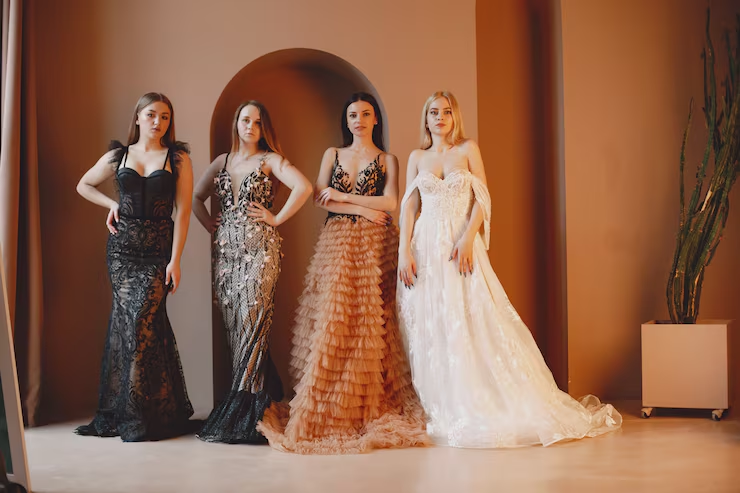
Stepping onto a pageant stage is one of the most memorable experiences a competitor can have. The gown you wear plays a significant role in how you present yourself to judges and audiences alike. Understanding what makes pageant dresses for women work — from cut and construction to color and confidence — can help you make a more informed decision before competition day arrives.
Why the Right Gown Matters in Pageantry
A pageant gown is not simply formal wear. It functions as a visual statement that communicates personality, poise, and preparation all at once. Judges often form early impressions based on how a contestant carries herself, and the dress contributes heavily to that first look.
Beyond aesthetics, the right gown must also support movement. Walking, turning, and posing require a garment that fits precisely and holds its shape under stage lighting.
Understanding Silhouette Options
The silhouette of a gown is one of the first decisions to make. Each style flatters different body types and suits different pageant formats.
- Ball gown: Full skirt with a fitted bodice. Classic and dramatic — well-suited for traditional pageants.
- A-line: Gradually flares from the waist. Universally flattering and easy to move in.
- Mermaid or trumpet: Fitted through the hips and thighs, then flares at the knee. Best for taller frames with defined curves.
- Sheath: Straight and form-fitting from shoulder to hem. Clean and modern, often chosen for preliminary rounds.
- High-low: Shorter in front, longer in back. Less common in formal pageants but used in some contemporary competitions.
Knowing which silhouette aligns with both your body type and the pageant’s tone is a practical starting point.
Fabric and Construction Quality
The fabric of a pageant gown affects how it photographs, how it moves, and how it holds up through a full competition day. Common materials include:
- Chiffon: Lightweight and flowing. Moves beautifully on stage but requires careful handling.
- Satin: Smooth and reflective. Photographs well under bright lighting.
- Tulle: Adds volume without weight. Often layered in ball gown skirts.
- Sequin or beaded fabric: Catches light effectively. Best used in moderation or as an accent.
Construction quality matters just as much as the fabric itself. Look for reinforced seams, proper boning in the bodice, and a secure closure system. A gown that shifts or gaps during a walk can distract from an otherwise strong performance.
Choosing the Right Color
Color selection in pageantry is more strategic than it might appear. Stage lighting can wash out pale tones or intensify deep hues in unexpected ways.
Jewel tones — such as sapphire, emerald, and burgundy — tend to photograph well and stand out against neutral stage backdrops. Blush and champagne remain popular choices because they complement a wide range of skin tones. White and ivory read as clean and classic but require strong contrast in accessories to avoid blending into the background.
It helps to consider the color choices of other competitors if that information is available. Standing out visually — without clashing — is a quiet advantage.
Fit and Alterations
Even the most well-designed gown will underperform if it does not fit correctly. Most pageant gowns require some level of alteration, and building time for fittings into your preparation schedule is essential.
Key areas to address include the bust, waist, and hem length. Straps should sit securely without digging into the shoulders. The hem should clear the floor by just enough to allow a confident stride without risk of tripping.
Working with an experienced seamstress who understands pageant wear specifically can make a significant difference in the final result.
Conclusion
Choosing a pageant gown involves more than picking something beautiful. Silhouette, fabric, color, and fit all work together to support a competitor’s overall presentation. Taking time to research each of these elements — and trying on multiple styles before committing — leads to a more confident and prepared appearance on stage.