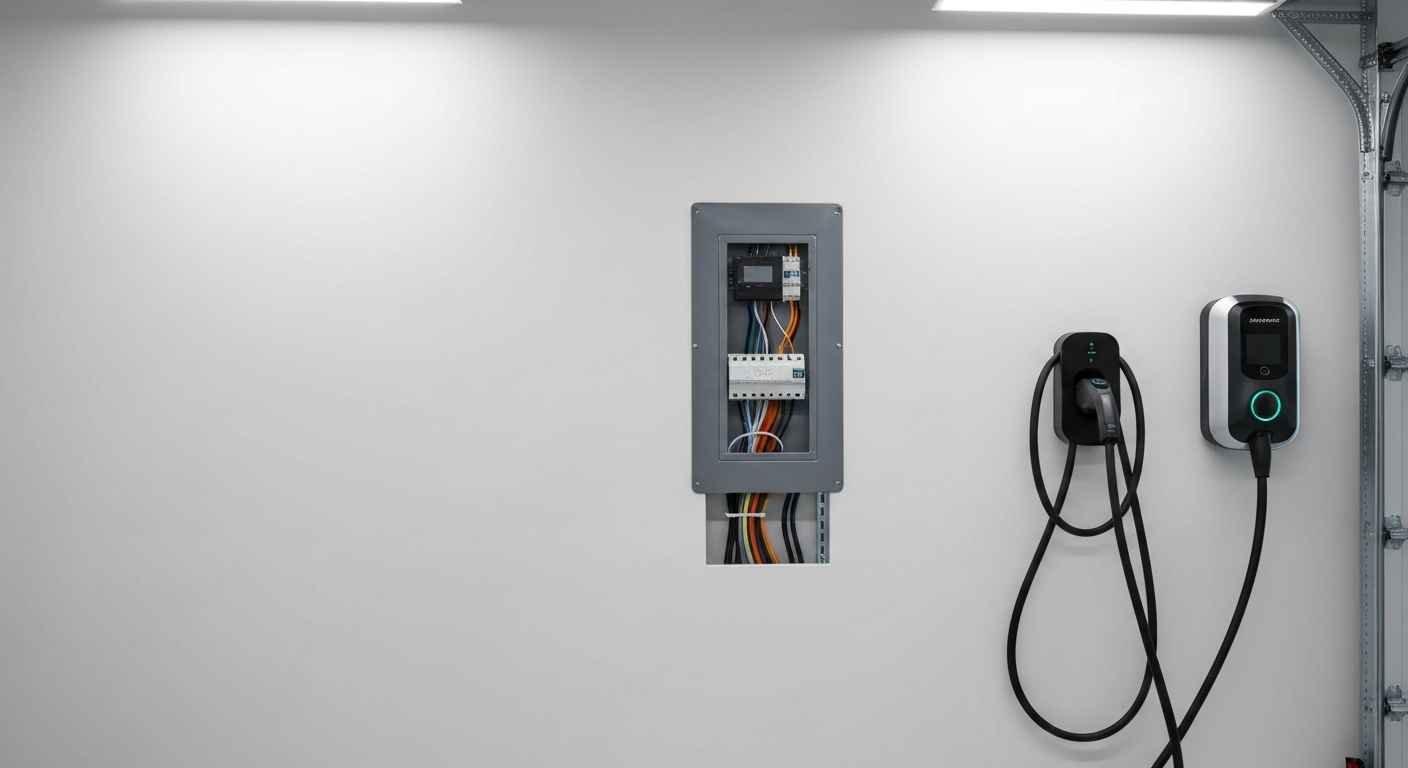
Electric vehicles are becoming a common sight across Southern California. For many homeowners, the next logical step after buying an EV is setting up reliable home charging — and that often starts with evaluating the electrical panel. An EV panel upgrade in Orange County is frequently necessary to support the power demands of modern EV chargers, particularly Level 2 units that require a dedicated 240-volt circuit.
Understanding what this upgrade involves can help homeowners make informed decisions before any work begins.
Why the Electrical Panel Matters for EV Charging
The electrical panel is the central hub of a home’s power system. It distributes electricity from the utility grid to every circuit in the house. Older panels — especially those rated at 100 amps or less — were designed decades before EV charging was a consideration.
A Level 2 EV charger typically draws between 32 and 48 amps continuously. When combined with other household loads like HVAC systems, kitchen appliances, and water heaters, an older panel can quickly become overwhelmed. This creates a real risk of tripped breakers, overheating, or in more serious cases, electrical hazards.
Signs Your Panel May Need an Upgrade
Not every home will require a full panel replacement, but certain indicators suggest it may be time to evaluate the system:
- Panel rated below 200 amps — Most modern homes with EV chargers benefit from a 200-amp service minimum.
- Frequent breaker trips — If breakers trip regularly under normal use, the panel may already be near capacity.
- No available breaker slots — A full panel has no room for a new dedicated EV circuit without modifications.
- Outdated equipment — Panels from certain older manufacturers have known reliability and safety concerns.
- Visible corrosion or heat damage — Physical signs of wear indicate the panel may need immediate attention regardless of EV charging plans.
A licensed electrician can assess the current panel load and determine whether an upgrade is required or if a subpanel addition might be sufficient.
What the Upgrade Process Typically Involves
An EV panel upgrade is not a single-step task. It generally includes several stages that homeowners should be prepared for:
- Electrical Assessment
A qualified electrician reviews the existing panel, calculates the current load, and determines what capacity is needed to safely support EV charging alongside existing circuits.
- Utility Coordination
Upgrading to a higher-amperage service often requires coordination with the local utility provider. In Orange County, this typically means working with Southern California Edison to upgrade the service entrance and meter base.
- Permit and Inspection
Electrical panel upgrades require permits through the local jurisdiction. An inspection is conducted after the work is complete to verify code compliance. This step protects homeowners and ensures the installation meets current safety standards.
- Panel Replacement or Expansion
Depending on the assessment, the electrician will either replace the existing panel with a higher-capacity unit or add a subpanel to handle the additional load.
- EV Circuit Installation
Once the panel work is complete, a dedicated 240-volt circuit is run to the garage or charging location, and the EV charger is installed and tested.
Local Considerations in Orange County
Orange County has specific permitting requirements that vary by city. Whether a home is in Anaheim, Irvine, Santa Ana, or Huntington Beach, the permit process and inspection requirements may differ slightly. Working with an electrician familiar with local codes helps avoid delays and ensures the project moves forward without complications.
California also has energy efficiency incentives and rebate programs that may apply to EV charger installations, which can offset some of the overall project cost.
Conclusion
An EV panel upgrade is a practical investment for homeowners in Orange County who want reliable, safe home charging. Understanding the process — from load assessment to final inspection — helps set realistic expectations and ensures the work is done correctly from the start. Consulting a licensed electrician early in the planning process is the most reliable way to determine what the home actually needs.