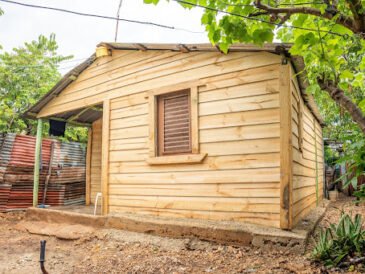
A well-designed custom wood carport does more than shelter vehicles — it protects your investment, enhances curb appeal, and can become a defining architectural element of your property. Whether you’re building a heavy timber carport for multiple vehicles or a residential timber carport to match your home’s style, good design and execution separate a high-performance structure from a disappointing one.
This article cuts through the noise. It explains why custom wood carports matter, how to plan one with real utility and longevity, what materials make sense, and what mistakes you cannot afford to make.
Why Choose a Custom Wood Carport?
Too many homeowners treat carports as cheap alternatives to garages — something slapped together with utility and cost as the sole criteria. That’s backward.
Custom wood carport design starts with purpose. It’s about creating a structure that integrates with your landscape, withstands local weather, and solves real problems:
- Shelter vehicles (cars, trucks, RVs, motorcycles) from sun, snow, hail, and rain.
- Provide covered storage for equipment, boats, or outdoor gear.
- Offer a defined outdoor workspace or shaded patio extension.
- Enhance property value and curb appeal with craftsmanship that matches your home.
A residential timber carport shouldn’t look like an afterthought. When designed well, it complements your home’s architectural style instead of clashing with it.
Planning: Define Your Needs First
Good design begins with honesty about how you will use the carport.
Ask yourself:
- How many vehicles? Single, double, oversized truck, RV?
- Will it be open on all sides or partially enclosed?
- Do you want storage built in? Cabinets, workbench, loft space?
- Should it match existing structures — roof pitch, siding, trim?
- Is future expansion a possibility?
These questions determine not just size, but structural requirements — especially in areas with heavy snow, wind loads, or seismic activity. If you skip defining use upfront, you’ll end up with expensive retrofits later.
Material Basics: Why Wood Works
A heavy timber carport is more than aesthetic; it’s structural.
Strength Where It Counts
Timber — especially large-section posts and beams — provides:
- High load capacity: Essential for long spans without central posts.
- Durability: Proper species and treatment resist rot and insect damage.
- Aesthetic warmth: Wood integrates with residential settings more naturally than steel.
Species like cedar and redwood are popular for their decay resistance and natural stability. Pressure-treated lumber is a cost-effective option if you’re focused purely on performance. Engineered timber can be used where spans are long or loads are high, combining strength with straighter, more predictable beams.
Structural Design Fundamentals
A custom wood carport isn’t a backyard pergola with a roof nailed on. It’s a load-bearing structure with real engineering demands.
Footings and Foundations
Your carport posts must sit on footings sized for your soil and climate. In freeze/thaw zones, footings must be below frost depth to avoid shifting. Heavy timber carports are tall and carry significant roof loads; inadequate foundations lead to sagging, uneven floors, and structural failure.
Posts, Beams, and Roof Framing
- Post spacing: Too wide and the roof deflects; too narrow and you limit usable space. The rule isn’t “as few posts as possible” — it’s “as few as safe.”
- Beam size: Must be sized not just for dead load (roof weight) but live loads (snow, wind).
- Roof pitch: A low pitch sheds water poorly; too steep and it becomes visually jarring. Match your home’s roof pitch where possible.
Structural engineers or experienced builders will provide drawings that reflect local code requirements — they’re not optional if you care about safety and compliance.
Roof Options & Weather Performance
Your roof choice impacts performance and cost.
Asphalt Shingles
- Pros: Matches many homes; affordable.
- Cons: Shorter lifespan than metal; heavier, requiring stronger framing.
Metal Roofing
- Pros: Excellent longevity; sheds snow and water well; fire resistant.
- Cons: Higher upfront cost; finish color options matter for heat gain.
Cedar Shakes or Timber Shingles
- Pros: Beautiful and cohesive with wood framing.
- Cons: Require maintenance; not ideal in high-fire zones.
Choose based on climate demands. In snowy regions, prioritize shed performance and snow load capacity; in hot climates, consider reflective metal finishes.
Integration With Landscape and Home
A residential timber carport design should look intentional, not pasted on.
Matching Architectural Style
- Use similar rooflines, trims, and materials as your house.
- Consider exposed timber beams that echo porch or pergola elements.
- Coordinate colors and finishes for cohesion.
A mismatched carport lowers perceived property value — you’re better off planning aesthetics alongside structure.
Lighting and Utility
Plan for:
- Task lighting: Motion-activated lights at entries.
- Electrical outlets: For power tools or EV chargers.
- Drainage: Roof water must be directed away from driveways and foundations.
Ignoring these details creates daily frustrations that far outweigh initial construction costs.
Permits and Codes: Non-Negotiable
Local building codes exist because structures fail when not engineered to expected loads. Snow, wind, seismic demands vary dramatically by location.
A custom design must reflect:
- Live load requirements (snow, occupancy).
- Wind uplift and lateral forces.
- Proper nailing, bolting, and hardware specifications.
- Permits and inspections.
Skipping permits doesn’t save money — it risks failing inspections, forced teardown, insurance trouble, and safety issues.
Cost Realities: Budget With Eyes Wide Open
Expect variation, but here’s the blunt breakdown:
| Expense Component | What It Covers |
| Design & Engineering | Custom plans, load calculations, permits |
| Foundation & Footings | Concrete, excavation, site prep |
| Timber & Materials | Posts, beams, roof framing, hardware |
| Roofing | Shingles, metal, or wood shakes |
| Labor | Framing, roofing, finishing |
| Extras | Lighting, storage, trim, gutters |
A heavy timber carport will cost more than a simple lean-to. But underinvesting in framing or foundation is a false economy — cheap upfront costs turn into high lifetime costs.
Mistakes You Can’t Afford to Make
- Ignoring soil conditions: Weak soil = failed footings.
- Under-sized framing: Leads to sagging or mid-span deflection.
- Skipping permits: Legal and safety risk.
- Neglecting drainage: Water damage starts at grade.
Good builders call these out upfront. If someone tries to gloss over them, they’re not designing your carport — they’re selling convenience.
Final Word: Build to Last
A custom wood carport — whether a robust heavy timber carport or a well-integrated residential timber carport — is an investment in protection, function, and property value. Get the design right, respect structure over shortcuts, and plan for how you live, not how you think you’ll live.
This isn’t about making something “good enough.” It’s about building something that performs hard work for years with minimal maintenance and maximum impact.
If you want design concepts, material options, or help vetting contractors for your specific site and climate, ask — I’ll give you unvarnished, practical guidance.