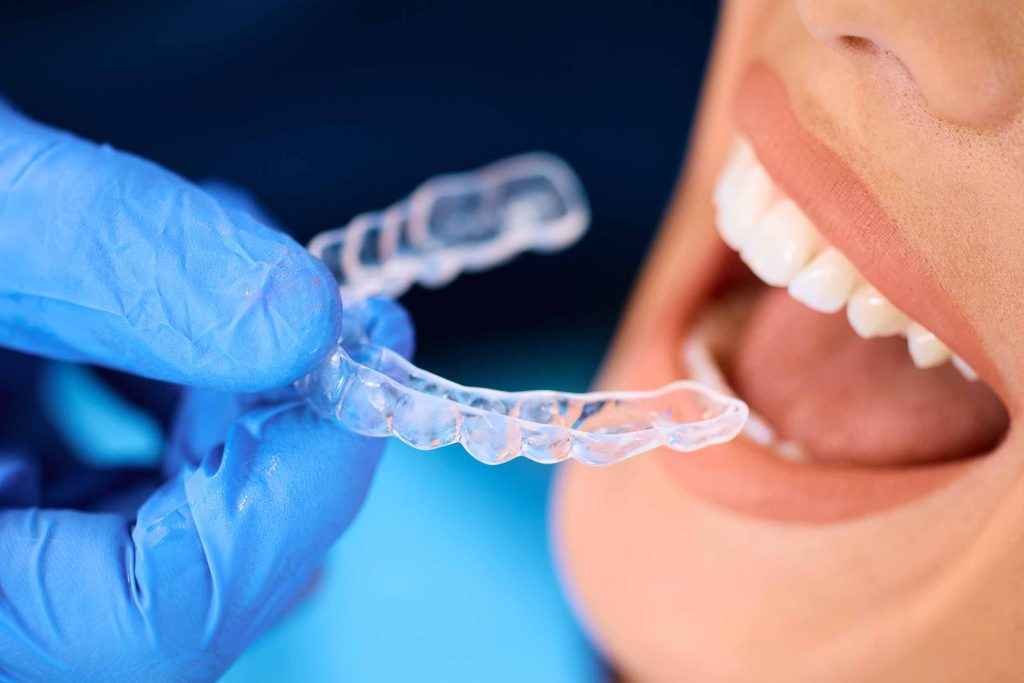
Clear alignment has transformed orthodontic care by combining subtle aesthetics with precise tooth movement. Behind this refined experience lies a foundation of advanced diagnostics that guide every stage of treatment. Modern orthodontics no longer relies solely on visual assessment; instead, it uses detailed digital tools to understand tooth position, bite dynamics, and jaw relationships with remarkable accuracy. When treatment planning is driven by data rather than assumptions, alignment outcomes become more predictable, comfortable, and stable. In this context, working with a clear aligner specialist in Singapore ensures that diagnostic insights are translated into alignment strategies that support both appearance and long-term oral health.
1. Digital Imaging as the Foundation of Precision Planning
Advanced diagnostics begin with high-resolution digital imaging that captures the complete oral structure. These images form the baseline for every decision made throughout the alignment process.
- Comprehensive visual mapping improves accuracy
Digital scans provide a three-dimensional view of teeth, gums, and bite alignment. This level of detail allows orthodontists to identify subtle spacing, crowding, or rotational issues that may not be visible through traditional impressions. Accurate mapping ensures that no aspect of alignment is overlooked. - Elimination of guesswork in treatment design
Precise imaging replaces estimations with measurable data. Each tooth’s position is clearly defined, enabling orthodontists to design movements that follow natural anatomical pathways rather than forced adjustments. This contributes to smoother and more predictable alignment. - Enhanced patient understanding and engagement
Visual diagnostics help patients see their starting point and projected results. Clear visualisation builds trust in the treatment process and encourages compliance throughout the alignment journey.
2. Bite Analysis Supporting Functional Balance
Advanced diagnostics extend beyond straightening teeth to include a detailed bite evaluation. Proper bite alignment is essential for both comfort and long-term dental health.
- Identification of functional imbalances
Digital bite analysis reveals uneven pressure distribution that can lead to jaw strain or enamel wear. Addressing these issues during alignment prevents future complications and supports overall oral function. - Integration of aesthetics and function
Advanced diagnostics allow orthodontists to balance visual alignment with functional bite correction. This dual focus ensures that the final result looks natural while performing efficiently during chewing and speech. - Prevention of alignment relapse
By correcting bite discrepancies early, diagnostics help stabilise alignment outcomes. Balanced bites reduce the risk of teeth shifting after treatment completion.
3. Customised Alignment Pathways Through Data-Driven Planning
Clear alignment success depends on personalised planning rather than standardised movement patterns. Advanced diagnostics make this level of customisation possible.
- Individualised movement sequencing
Each tooth responds differently to orthodontic forces. Diagnostic data allows orthodontists to plan movement sequences that respect individual tooth shape, root position, and bone density, leading to safer alignment progression. - Controlled force application
By analysing structural data, orthodontists can calibrate the force applied at each stage. This reduces discomfort while maintaining effective movement, supporting a more comfortable experience. - Alignment strategies tailored to long-term stability
Custom planning ensures that alignment does not compromise natural tooth support. This focus on stability helps maintain results well beyond active treatment.
4. Monitoring Progress with Diagnostic Feedback
Advanced diagnostics continue to play a role even after treatment begins. Continuous monitoring ensures alignment stays on course.
- Early detection of deviations
Follow-up scans reveal whether teeth are moving as planned. If discrepancies arise, orthodontists can adjust the treatment strategy before issues escalate. - Adaptive treatment refinement
Diagnostics allow for real-time refinement of aligner stages. This flexibility ensures alignment remains efficient without unnecessary delays. - Confidence in treatment predictability
Ongoing data-backed assessments reassure both patient and clinician that alignment is progressing toward the intended outcome.
5. Supporting Comfort Through Precision Engineering
Comfort is closely linked to how accurately alignment forces are applied. Advanced diagnostics play a key role in minimising discomfort.
- Reduction of excessive pressure points
Detailed scans identify areas that may be sensitive to movement. Treatment plans are adjusted to avoid sudden force concentrations, supporting a gentler experience. - Improved aligner fit and wearability
Accurate diagnostics ensure that aligners fit closely to the teeth. Proper fit reduces irritation and improves wear consistency, which is essential for successful alignment. - Shortened adaptation periods
When movement follows natural dental pathways, patients adapt more quickly to each new stage of alignment, reducing overall discomfort.
6. Enhancing Aesthetic Outcomes with Diagnostic Precision
Clear alignment is often chosen for its discreet appearance. Advanced diagnostics ensure that aesthetic goals are achieved without compromise.
- Balanced smile symmetry
Diagnostics help orthodontists assess midline alignment, tooth proportions, and spacing. This ensures that the final smile appears harmonious and well-balanced. - Natural-looking tooth positioning
Rather than forcing teeth into uniform lines, diagnostics support positioning that complements facial structure. This results in a smile that looks authentic rather than artificial. - Consistency between planned and final results
Data-driven planning reduces the gap between expected and achieved outcomes, increasing patient satisfaction.
7. Advanced Diagnostics in Modern Clear Alignment Systems
The effectiveness of smile clear aligners is closely tied to the quality of diagnostics guiding their use. These systems rely on precise data to deliver controlled and efficient alignment.
- Seamless integration with digital planning tools
Advanced diagnostics feed directly into aligner design software, ensuring each aligner stage reflects accurate movement objectives. - Predictable progression through treatment stages
Data-backed planning supports smooth transitions between aligner sets, reducing delays and improving overall efficiency. - Alignment outcomes supported by clinical evidence
Diagnostic-driven treatment decisions are rooted in measurable data, reinforcing confidence in the alignment process.
Conclusion
Advanced diagnostics have become the cornerstone of successful, clear alignment treatment. By providing detailed insights into tooth position, bite function, and movement pathways, these tools enable orthodontists to plan and execute alignment with unmatched precision. From customised treatment design to continuous progress monitoring, diagnostics ensure that clear alignment results are not only visually refined but also functionally stable and comfortable. This data-driven approach elevates the entire orthodontic experience, delivering outcomes that align with both aesthetic expectations and long-term oral health.
For individuals seeking orthodontic care guided by precision and expertise, Bracesaurus offers specialist-led clear alignment solutions supported by advanced diagnostic technology. With a strong emphasis on personalised planning, careful monitoring, and lasting stability, Bracesaurus provides orthodontic treatment designed to deliver confident, well-aligned smiles through clinically driven care.