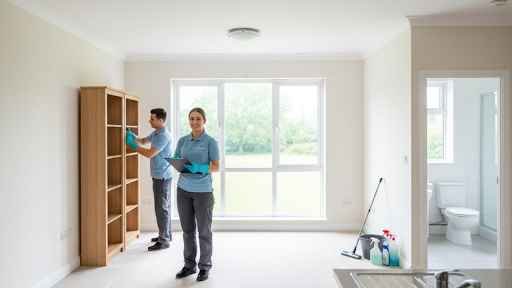
When it’s time to move out of a rental property, one of the main concerns tenants have is cleaning. It’s often seen as one of the most tedious tasks in the moving process. But understanding the cleaning standards expected by landlords can ease this anxiety. Cleaning your rented property to meet these standards ensures you get your full deposit back and leave on good terms with your landlord.
However, many tenants struggle with the specifics of cleaning expectations. What exactly should you clean, and how spotless should the place be?
Knowing what landlords typically expect can help you avoid mistakes that could lead to disputes or lost money.
Why Do Cleaning Standards Matter for Tenants?
Meeting cleaning standards is crucial for several reasons:
- Deposit Protection: Failing to clean the property as expected can lead to partial or full loss of your deposit.
- Landlord Expectations: A clean home shows respect for the landlord and their property, which can help maintain a positive relationship.
- Avoid Extra Charges: If cleaning isn’t up to standard, landlords may charge extra to bring the property back to an acceptable condition.
Key Cleaning Areas for Tenants
While every property is different, there are certain areas that landlords focus on during an inspection. Cleaning these areas thoroughly can ensure you meet the required standards.
1. Kitchen Cleaning
- Clean all countertops, work surfaces, and cupboard interiors.
- Ensure the oven, fridge, and microwave are spotless inside and out.
- Remove any grease or grime around the cooker and extractor fan.
- Clean and sanitise the sink and taps.
2. Bathroom Cleaning
- Scrub the toilet, shower, or bathtub, making sure there’s no soap scum or mould.
- Wipe down sinks, mirrors, and taps until they shine.
- Disinfect all surfaces, including light switches and handles.
- Sweep and mop the floor, paying special attention to corners.
3. Living Areas & Bedrooms
- Dust and wipe down furniture, shelves, and light fixtures.
- Vacuum carpets and clean any stains or marks on the floor.
- Wash windows and clean any marks on the walls.
- Ensure all personal items are removed from the property.
4. Hallways and Stairs
- Sweep or vacuum floors in common areas.
- Clean any marks on walls or bannisters.
- Ensure floors are free from dust and dirt.
DIY Cleaning vs. Professional Services
Some tenants prefer to tackle cleaning themselves, while others hire professionals to ensure the job is done right. Both options have their benefits:
DIY Cleaning
- Cost-Effective: Cleaning the property yourself is the most affordable option.
- Control: You can choose when and how you clean, ensuring every detail is covered.
However, DIY cleaning can be time-consuming and may leave some spots overlooked, leading to additional charges from your landlord.
Professional Cleaning
- Expert Cleaning: Professionals know exactly what landlords look for and can tackle the tough jobs you might miss.
- Time-Saving: Hiring experts saves you time, especially during a busy moving process.
- Guaranteed Results: Many professional cleaning services offer guarantees that the job will meet the landlord’s expectations.
If you’re located in Wolverhampton, professional tenancy cleaning services can help ensure that your rental property is left in top condition and help avoid disputes over cleaning standards.
Conclusion
End-of-tenancy cleaning doesn’t have to be stressful if you know what your landlord expects. Whether you clean yourself or hire professionals, focus on key areas and avoid common mistakes. A thorough clean ensures your full deposit is returned and leaves the property in good condition for future tenants. Following the proper steps makes your move-out process smoother and more efficient.