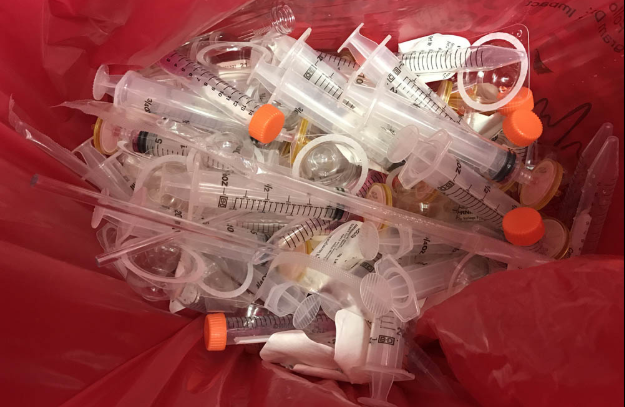
Proper disposal of medical sharps—including needles, syringes, and lancets—is crucial for protecting healthcare workers, the public, and the environment. In Virginia, stringent regulations govern the handling and disposal of these items to ensure safety and compliance. Whether you operate a healthcare facility or manage sharps disposal at home, following best practices for sharps pickup is essential to maintain safety and meet regulatory requirements.
Understanding Medical Sharps Disposal
Medical sharps are classified as regulated medical waste due to the potential risk of injury and disease transmission. Incorrect disposal can result in needlestick injuries, infections, and contamination of waste streams. Best practices for sharps pickup focus on containment, transportation, and compliance with state guidelines.
Key Principles of Sharps Disposal
1. Use Approved Sharps Containers
Sharps must always be disposed of in puncture-resistant, leak-proof containers designed specifically for sharps. These containers should be labeled clearly and sealed tightly to prevent accidental exposure. Avoid using regular plastic bottles, bags, or containers not intended for sharps.
2. Avoid Recapping or Manipulating Needles
To minimize injuries, needles should never be recapped, bent, or broken. Dispose of the needle and syringe as a single unit in the approved container immediately after use.
3. Comply With Virginia Regulations
The Virginia Department of Environmental Quality (DEQ) regulates medical sharps disposal. Follow all state guidelines for storage, labeling, and transportation of sharps to ensure compliance and avoid penalties.
Best Practices for Medical Sharps Pickup
1. Scheduled Pickup Services
Healthcare facilities should partner with licensed medical waste disposal providers that offer scheduled sharps pickup. These services ensure timely removal of containers, reducing the risk of overflow or improper storage.
2. Proper Container Handling
Sharps containers should be stored in a secure location, away from children, patients, and untrained personnel. Containers must be handled carefully to prevent spills or accidental exposure during pickup and transport.
3. Training and Awareness
All staff handling sharps must be trained in proper disposal procedures. Training should include:
- Correct use of sharps containers
- Emergency procedures for needlestick injuries
- Compliance with DEQ regulations
4. Documentation and Record-Keeping
Maintaining accurate records of sharps pickup is critical for regulatory compliance. Document:
- Container fill dates
- Pickup dates
- Disposal provider details
This documentation ensures traceability and can be critical during inspections or audits.
5. Temporary Storage Guidelines
If sharps waste cannot be immediately picked up, store containers securely in a designated area that is:
- Away from patient areas
- Well-ventilated
- Clearly labeled as medical waste
Ensure that containers are never overfilled, as this increases the risk of injury and contamination.
Specialized Considerations
1. Mail-Back Programs
Some areas in Virginia offer mail-back programs for sharps disposal. These programs provide pre-addressed, postage-paid containers that can be sent to a licensed disposal facility, offering a convenient and safe solution for smaller volumes.
2. Community Collection Events
Counties may host sharps collection events, allowing residents to safely drop off containers. These events help reduce the risk of improper disposal in residential waste streams.
3. Environmental Responsibility
Proper sharps disposal also protects the environment. Never flush sharps down the toilet or throw them into regular trash. Following safe pickup and disposal practices prevents contamination of landfills and water sources.
Benefits of Following Best Practices
Enhanced Safety
Adhering to sharps pickup protocols reduces the risk of needlestick injuries and protects healthcare workers, sanitation staff, and the community.
Regulatory Compliance
Following Virginia DEQ guidelines ensures legal compliance, protecting facilities from fines and potential liability.
Efficient Waste Management
Scheduled pickups and proper container handling streamline waste management, ensuring that sharps are safely removed and disposed of without disruption to operations.
Environmental Protection
Safe disposal prevents environmental contamination, ensuring that sharps do not enter landfills, waterways, or public spaces.
Conclusion
Medical sharps disposal is a critical aspect of healthcare and public safety. Implementing best practices for medical waste disposal in Virginia ensures that sharps are handled, stored, and transported safely and in compliance with state regulations. By using approved containers, training staff, documenting disposal, and partnering with licensed disposal providers, healthcare facilities and individuals can protect lives, maintain regulatory compliance, and contribute to a safer environment.
Proper sharps pickup is not just a regulatory requirement—it is a fundamental part of responsible healthcare practice. Following these best practices creates a safer workplace, safeguards the community, and reinforces a culture of safety in every facility.