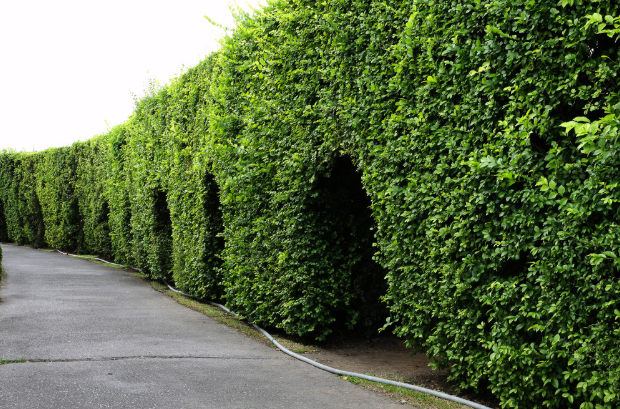
An evergreen privet can transform any outdoor space into a lush, green wall of beauty while providing year-round seclusion. When appropriately maintained, a privacy hedge not only enhances curb appeal but also serves as a natural barrier against noise, wind, and unwanted views. One of the most critical steps to keeping your hedge looking neat and healthy is proper pruning. By learning the right techniques, you can ensure that your evergreen privet remains dense, vibrant, and long-lasting.
Why Pruning Is Essential for Evergreen Privets
Pruning is more than just shaping plants — it’s about promoting healthy growth and extending the life of your hedge. Without regular trimming, evergreen privets can become overgrown, leggy, and sparse in the middle. By removing unwanted or unhealthy branches, you encourage the plant to produce more foliage, resulting in a fuller and more uniform hedge.
Additionally, pruning helps control the height and width of the hedge, keeping it in proportion with your landscape design and preventing it from encroaching on sidewalks, driveways, or neighboring properties.
Best Time to Prune Evergreen Privets
Early Spring for Major Pruning
The best time for significant trimming is in early spring before new growth begins. At this stage, you can safely remove large sections without shocking the plant, as it will soon enter its most active growth period.
Light Trimming Throughout the Season
While heavy pruning is best done in spring, light touch-ups can be performed throughout the growing season. This helps maintain a tidy shape and prevents rapid overgrowth. However, avoid heavy pruning in late fall, as new growth may not have enough time to harden before winter.
Tools You’ll Need
Having the right tools makes pruning more efficient and less stressful for the plant. Essential tools include:
- Hand pruners for small twigs and shoots
- Loppers for medium-sized branches
- Hedge shears for shaping the hedge’s surface
- Pruning saw for thick, older branches
Always keep your tools clean and sharp to prevent the spread of plant diseases and to make cleaner cuts that heal faster.
Step-by-Step Pruning Guide
Step 1 – Inspect Your Hedge
Start by examining the entire hedge for damaged, diseased, or dead branches. Removing these first will prevent the spread of pests and disease while improving the plant’s overall health.
Step 2 – Remove Overlapping Branches
Cut back branches that cross over each other, as these can rub together and cause wounds that invite disease. This also improves air circulation, reducing the risk of fungal growth.
Step 3 – Shape from the Bottom Up
Begin shaping your hedge by cutting the sides first, keeping the base slightly wider than the top. This ensures that sunlight reaches all parts of the hedge, preventing bare spots at the bottom.
Step 4 – Maintain a Consistent Height
For a neat and uniform look, use a string line as a guide when trimming the top. This helps you maintain a level surface while avoiding an uneven appearance.
Feeding and Care After Pruning
Once you’ve finished pruning, it’s essential to give your privet hedge the nutrients it needs to recover and grow. Apply a balanced slow-release fertilizer and water deeply to encourage new, healthy growth. Mulching around the base helps retain moisture and suppress weeds.
For those looking to expand or replace parts of their hedge, checking for plants for sale from reputable nurseries can ensure you get healthy, well-rooted privets that will integrate seamlessly into your existing hedge.
Common Pruning Mistakes to Avoid
Over-Pruning
Removing too much foliage at once can weaken your hedge and slow recovery. Stick to removing no more than one-third of the plant’s growth at a time.
Ignoring the Shape
If you prune without considering the hedge’s overall shape, you may end up with uneven or patchy sections. Consistent shaping during each trimming session prevents this problem.
Using Dull Tools
Blunt blades crush stems instead of cutting them cleanly, increasing the risk of disease and slowing healing time.
Benefits of a Well-Maintained Hedge
A properly pruned evergreen privet hedge offers numerous benefits:
- Enhanced Privacy – Thick, healthy foliage blocks views and noise effectively.
- Increased Property Value – A tidy hedge adds a polished, landscaped look to your yard.
- Low Maintenance – Regular light trimming reduces the need for heavy corrective pruning later.
- Year-Round Appeal – As an evergreen, privet maintains its vibrant color even in winter.
Conclusion
With the right timing, tools, and techniques, pruning your evergreen privets can ensure they remain a strong, attractive, and functional privacy hedge for years to come. By making pruning part of your regular yard maintenance and sourcing healthy plants from reliable plants for sale outlets when needed, you can enjoy a lush green barrier that enhances both beauty and privacy season after season.