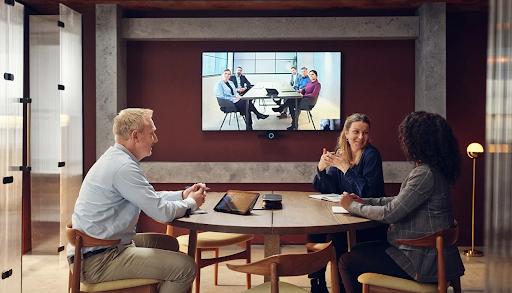
A well-designed meeting room setup can make a significant difference in workplace efficiency, collaboration, and overall productivity. Whether you’re hosting client presentations, team brainstorming sessions, or video conferences, optimising the layout and functionality of your meeting space is crucial. In this guide, we’ll explore the best strategies to create an efficient and effective meeting room.
Importance of an Optimised Meeting Room Setup
An efficient meeting room setup contributes to seamless communication, minimises disruptions, and ensures all participants remain engaged. A poorly arranged space, on the other hand, can lead to distractions, technical issues, and wasted time. By carefully planning the layout and incorporating modern technology, businesses can enhance the overall meeting experience.
Key Considerations for an Effective Meeting Room Setup
1. Choosing the Right Layout
The layout of a meeting room should align with the type of meetings held. Here are some common setups:
- Boardroom Style: Ideal for executive meetings and formal discussions.
- U-shaped Layout: Suitable for training sessions and workshops.
- Classroom Style: Best for seminars and presentations.
- Theatre Style: Great for large audiences and keynote speeches.
- Huddle Spaces: Perfect for small team discussions and quick meetings.
Choosing the right setup based on the nature of your meetings will improve efficiency and interaction among participants.
2. Prioritising Technology and IT Support
A modern meeting room should be equipped with essential technology to facilitate seamless communication. From video conferencing systems to wireless presentation tools, businesses must integrate the latest innovations for an effective setup. Reliable IT Support London services can help organisations ensure the smooth functioning of their meeting room technology, including:
- Audio and video conferencing equipment
- High-speed internet connections
- Smartboards and interactive displays
- Wireless charging stations
- Secure network connections
By working with IT Support London experts, companies can minimize technical glitches, enhancing productivity and communication.
3. Ergonomic and Comfortable Seating
Meeting durations can vary, and uncomfortable seating can lead to fatigue and reduced concentration. Ergonomic chairs provide necessary support and improve posture, ensuring participants stay comfortable throughout long meetings. Additionally, adjustable desks or standing desk options can offer flexibility for different meeting styles.
4. Optimised Lighting and Acoustics
Proper lighting plays a vital role in setting the tone of a meeting. Natural lighting is ideal, but if that’s not possible, LED lighting with adjustable brightness can create a pleasant atmosphere. Additionally, soundproofing solutions and high-quality microphones can help minimise distractions and enhance audio clarity. Acoustic panels can be installed to absorb excess noise, ensuring clearer conversations during meetings.
5. Smart Scheduling and Room Management
To avoid double bookings or last-minute cancellations, businesses should implement a smart scheduling system. Cloud-based scheduling software allows teams to reserve meeting spaces effortlessly, reducing conflicts and ensuring availability. Integrating these systems with company calendars can streamline room bookings and send automated reminders to attendees.
6. Decluttering and Organisation
A cluttered meeting room can be distracting and reduce productivity. Ensuring the space is free of unnecessary items and has ample storage solutions can enhance efficiency and maintain a professional atmosphere. Minimalist design principles should be applied, ensuring only essential items such as whiteboards, projectors, and notepads are readily available.
7. Enhancing Connectivity and Remote Collaboration
With the rise of hybrid and remote work models, ensuring seamless virtual collaboration is essential. Businesses should invest in high-definition cameras, quality microphones, and reliable video conferencing platforms to accommodate remote participants. Dual-screen displays or large presentation monitors can improve visibility and engagement for both in-person and virtual attendees.
8. Encouraging Productivity with a Well-Designed Space
Meeting rooms should foster creativity and collaboration. Adding elements such as whiteboards, brainstorming walls, or interactive digital displays can encourage idea-sharing and teamwork. Incorporating elements of biophilic design, such as plants or natural textures, can also create a calming and inviting environment, boosting overall productivity.
9. Energy Efficiency and Sustainability
Sustainability is becoming an essential aspect of workplace design. Companies should opt for energy-efficient LED lighting, smart thermostats, and sustainable materials when designing meeting rooms. Implementing motion sensor lighting and automated climate control systems can reduce energy consumption and lower operational costs.
10. Customising Meeting Spaces for Different Teams
Different teams have unique meeting needs. While the sales team may require a room equipped with video conferencing tools for client meetings, the creative team may benefit from an open, collaborative space with whiteboards and flexible seating. Customising meeting rooms based on department needs ensures better utilisation of office space.
Conclusion
A well-planned meeting room setup is essential for maximising efficiency, fostering collaboration, and ensuring smooth operations. Businesses can create an optimised workspace by incorporating ergonomic furniture, advanced technology, and proper scheduling systems. Partnering with IT Support London professionals can further streamline operations, preventing technical hiccups and enhancing overall meeting quality.