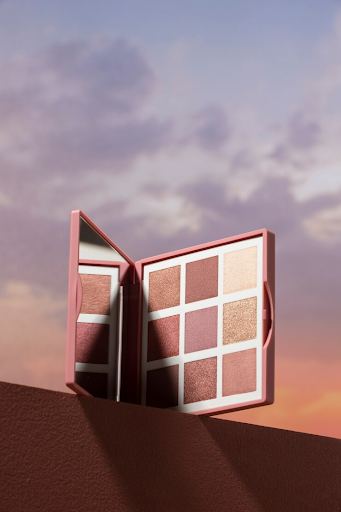
In today’s competitive digital marketplace, makeup product photography is essential for brands looking to showcase their products with clarity and style. Whether you’re a seasoned photographer or just starting out, mastering the art of makeup product photography can transform your product images into compelling visual stories that capture the attention of potential customers. Let’s explore insightful tips, creative techniques, and practical advice to help you achieve professional-grade results.
Essential Equipment for Makeup Product Photography
Camera and Lenses
A high-resolution camera is a must for capturing the fine details and vibrant colors of makeup products. While DSLRs and mirrorless cameras are popular choices, what’s most important is the camera’s ability to capture sharp, clear images. Pair your camera with a macro lens to focus on intricate details like textures and packaging elements. This combination is fundamental for effective makeup product photography.
Lighting Setup
Lighting can make or break your images. Natural light is often preferred for its soft, diffused quality, but a controlled lighting setup using softboxes, diffusers, and reflectors is ideal for consistent results. Experiment with different lighting angles to reduce harsh shadows and highlight the product’s features. Proper lighting will ensure your makeup product photography exudes a professional quality that attracts discerning customers.
Backdrops and Props
Choosing the right backdrop is crucial. A clean, neutral background ensures that the product remains the focus. However, don’t be afraid to use props to add context and enhance the product’s appeal. For instance, a minimalistic marble surface or subtle floral elements can complement the look of a luxury lipstick or eyeshadow palette without overwhelming the viewer.
Composition and Styling Techniques
Framing Your Shot
Composition is key in makeup product photography. Position the makeup product off-center and allow space for negative space that directs the viewer’s eye. This technique can add a dynamic quality to your photos and make the product stand out.
Styling the Product
Styling goes beyond placing the product in front of the camera—it’s about creating a story. Arrange related items such as brushes, palettes, or even complementary makeup pieces to create a narrative. Ensure that every element in the frame enhances the overall aesthetic without distracting from the main subject.
Utilizing Color and Texture
Color is a powerful tool in makeup product photography. Use contrasting or complementary colors to make the product pop. Experiment with different textures by incorporating reflective surfaces, matte backdrops, or even soft fabrics. These elements add depth and interest, making the final image more engaging and appealing.
Mastering Lighting Techniques
Lighting plays a crucial role in achieving high-quality makeup product photography. Here are some tips to help you get the best results:
Natural vs. Artificial Lighting
While natural lighting provides a soft and appealing glow, it’s often unpredictable. On the other hand, artificial lighting offers consistency. If shooting indoors, consider using continuous LED lights that mimic natural daylight. This will allow you to control the lighting conditions and achieve uniform results across your product shots.
Diffusion and Reflection
Using diffusers can soften harsh light and reduce unwanted shadows. Place a diffuser between your light source and the product to achieve a more even spread of light. Reflectors can also be used to bounce light back onto the product, highlighting key features and details. These techniques are particularly effective in makeup product photography, where texture and color accuracy are paramount.
Experiment with Angles
Don’t be afraid to experiment with different lighting angles. Side lighting can emphasize textures, while backlighting can create a dramatic silhouette. Adjust your light sources to find the perfect balance that brings out the best in your makeup product. Remember, every product is unique, so tailor your lighting strategy to highlight its specific qualities.
After capturing the perfect shot, post-production is where you refine your images. Use top editing software to adjust contrast, exposure and color balance. Retouch any imperfections while ensuring that the final image remains true to the actual product.
Final Thoughts
As you refine your techniques, remember that makeup product photography is not just about capturing an image—it’s about telling a story and conveying the quality of your brand. Each shot should invite the viewer to experience the product as if they were holding it. In this journey of capturing the perfect image, don’t forget that—whether it’s makeup or beauty product photography, follow these tips to achieve the best results.