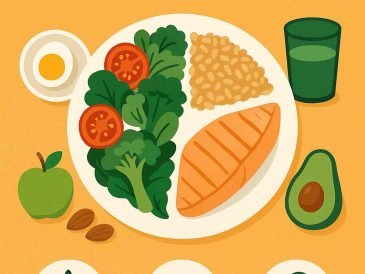
Autoimmune diseases occur when the body’s immune system mistakenly attacks its own tissues, leading to chronic inflammation and a range of debilitating symptoms. While conventional medicine offers treatments to manage these conditions, many people seek autoimmune disease treatment naturally to complement their healthcare regimen. One of the most effective ways to reduce inflammation and support immune balance is through diet. Incorporating nutrient-rich, anti-inflammatory foods can help your body heal and manage symptoms more effectively. Here are the nine best foods for naturally treating autoimmune diseases.
Fatty Fish (Salmon, Mackerel, Sardines)
Fatty fish are rich in omega-3 fatty acids, which have powerful anti-inflammatory properties. Studies suggest that omega-3s help regulate the immune system and reduce autoimmune flare-ups. Wild-caught salmon, sardines, and mackerel are excellent sources of these healthy fats. Adding these to your diet can help alleviate joint pain, improve brain function, and support overall immune health.
Leafy Greens (Spinach, Kale, Swiss Chard)
Dark leafy greens are packed with antioxidants, vitamins, and minerals that support immune function and reduce oxidative stress. They are rich in vitamin C, beta-carotene, and magnesium, all of which help to combat inflammation. Including a variety of leafy greens in your diet promotes healing autoimmune disease naturally by enhancing the body’s ability to repair itself.
Turmeric
Turmeric is one of the most powerful anti-inflammatory spices, thanks to its active compound, curcumin. This golden spice has been widely studied for its ability to modulate immune responses and reduce inflammatory cytokines associated with autoimmune conditions. Pairing turmeric with black pepper enhances curcumin absorption, making it even more effective.
Bone Broth
Bone broth is a nutrient-dense food that contains collagen, amino acids, and minerals that help repair the gut lining. Since many autoimmune diseases are linked to gut health, consuming bone broth can promote digestive healing and reduce systemic inflammation. A natural treatment for autoimmune disease, bone broth is also rich in glycine and proline, which support joint and skin health.
Berries (Blueberries, Strawberries, Raspberries)
Berries contain antioxidants and polyphenols, which help reduce oxidative stress and inflammation. Blueberries, strawberries, and raspberries contain flavonoids that support immune function and improve cellular health. Their high fiber content also promotes gut microbiome balance, which plays a crucial role in managing autoimmune conditions.
Ginger
Ginger has been used for centuries in traditional medicine due to its potent anti-inflammatory and digestive benefits. It contains compounds like gingerol, which help reduce pain and swelling associated with autoimmune diseases. Drinking ginger tea or incorporating fresh ginger into meals can aid digestion and lower inflammatory markers in the body.
Cruciferous Vegetables (Broccoli, Cauliflower, Brussels Sprouts)
Cruciferous vegetables contain sulforaphane, a powerful antioxidant that helps detoxify the body and reduce inflammation. These vegetables also support liver function, which is essential for eliminating toxins that may trigger autoimmune flare-ups. An autoimmune disease specialist may recommend incorporating these vegetables for their immune-balancing benefits.
Nuts and Seeds (Almonds, Walnuts, Flaxseeds, Chia Seeds)
Nuts and seeds provide a rich source of healthy fats, fiber, and plant-based protein. Walnuts and flaxseeds, in particular, contain omega-3 fatty acids, which combat inflammation. Almonds are high in vitamin E and magnesium, which support nerve and immune function. Adding these nutrient-dense foods to your diet is a simple way to support natural treatment for autoimmune disease and maintain overall health.
Fermented Foods (Kimchi, Sauerkraut, Kefir, Yogurt)
Gut health plays a major role in autoimmune diseases, and fermented foods are excellent for maintaining a balanced gut microbiome. Probiotic-rich foods like kimchi, sauerkraut, and kefir help increase beneficial gut bacteria, reduce inflammation, and support digestion. A well-balanced gut can strengthen immune function, so an autoimmune disease doctor may suggest including probiotics in your diet.
Final Thoughts
The right diet can help alleviate symptoms, support immune function, and promote long-term healing. While these foods provide excellent support, working with a healthcare professional or an autoimmune disease specialist is essential to create a personalized plan that meets your specific needs. By making mindful dietary choices, you can take control of your health and improve your quality of life naturally.